Monarchs On Endangered List
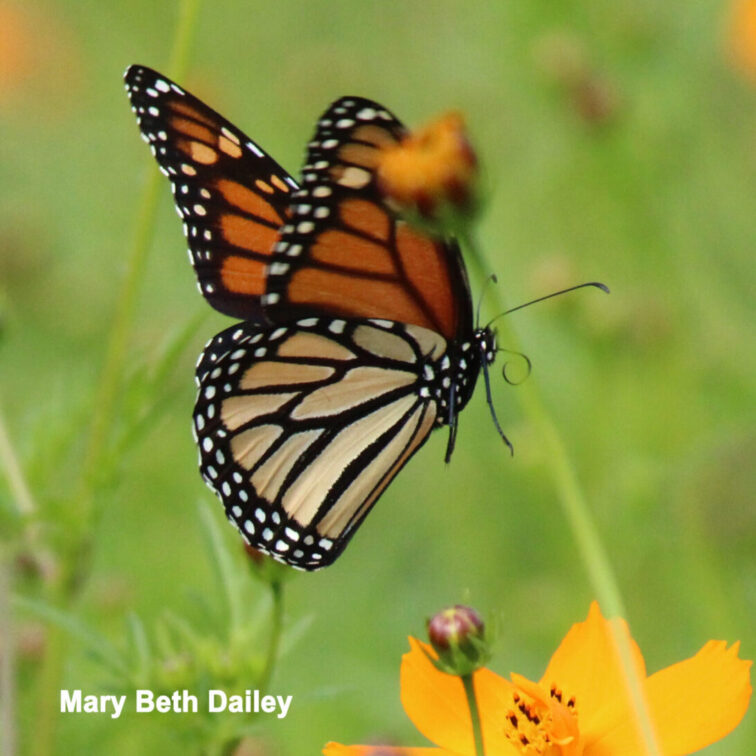
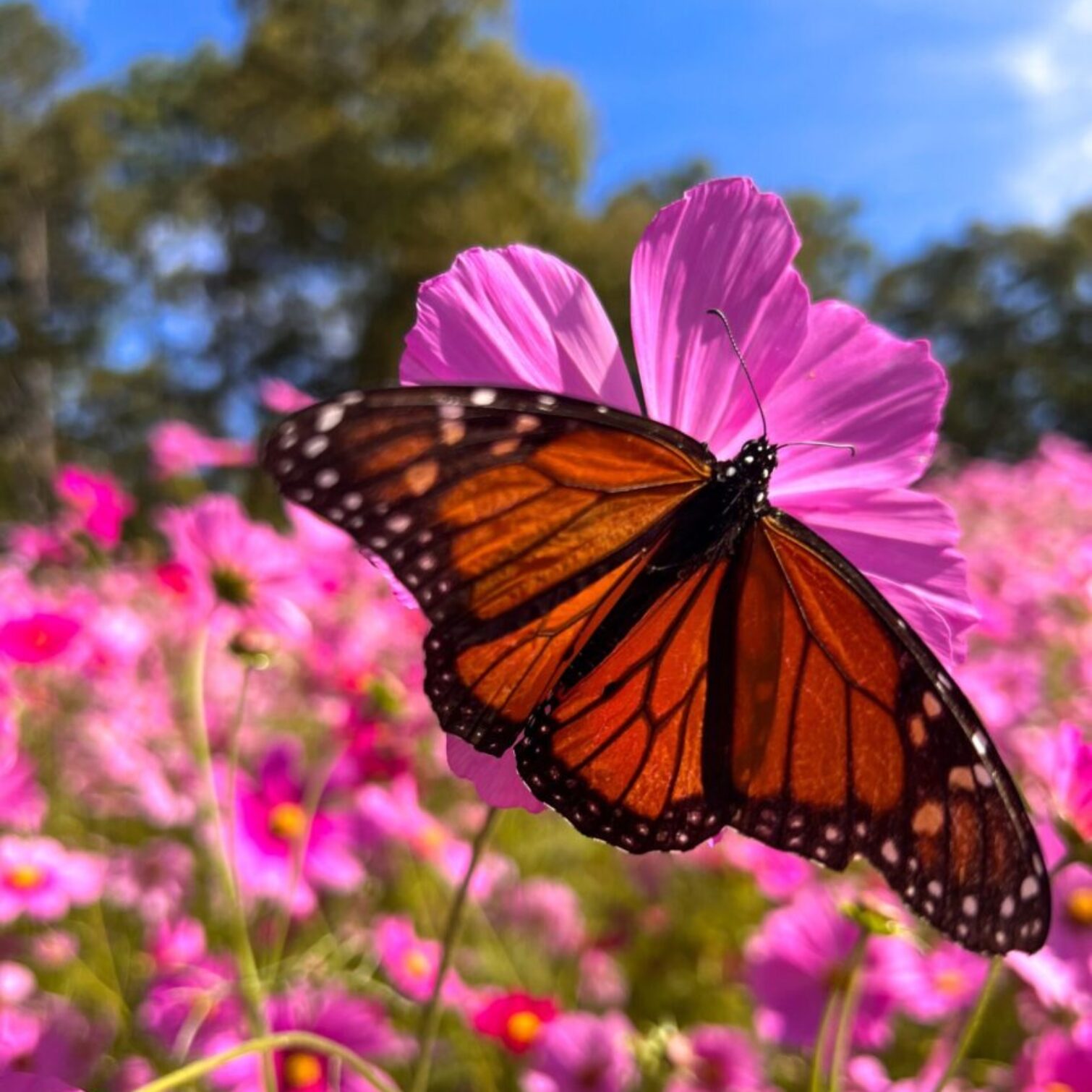
Jim Gibbs, owner/developer of Gibbs Gardens—concerned about the increased threat of extinction for these delicate creatures—decided to do something more to help. Gibbs expanded his 2021 butterfly garden from three to 15 acres—giving migratory monarchs five times more habitat within Gibbs Gardens.
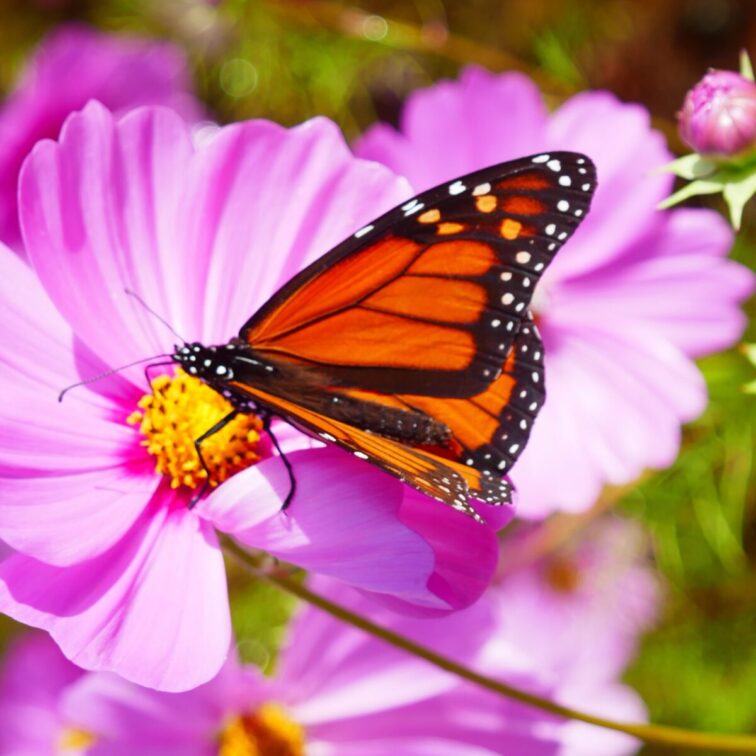
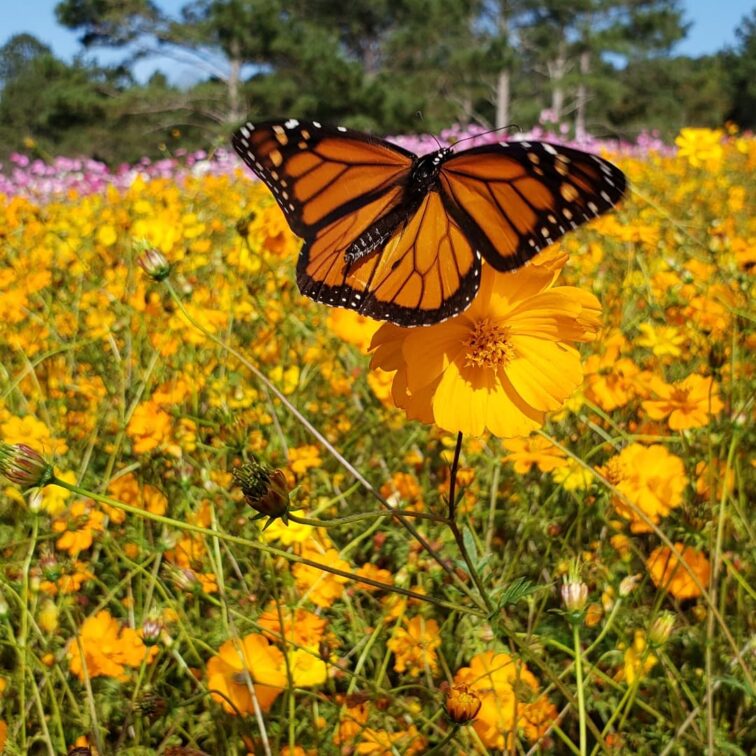
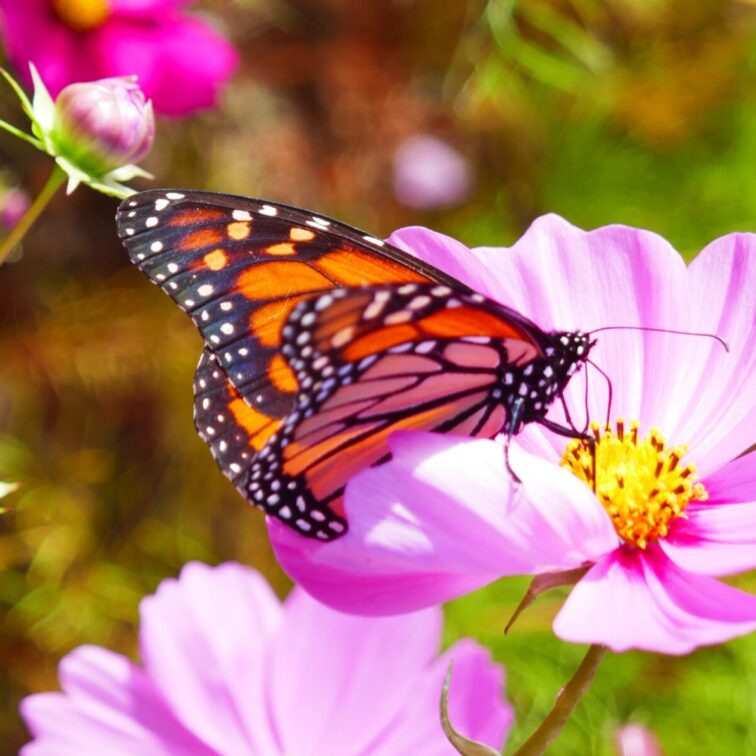
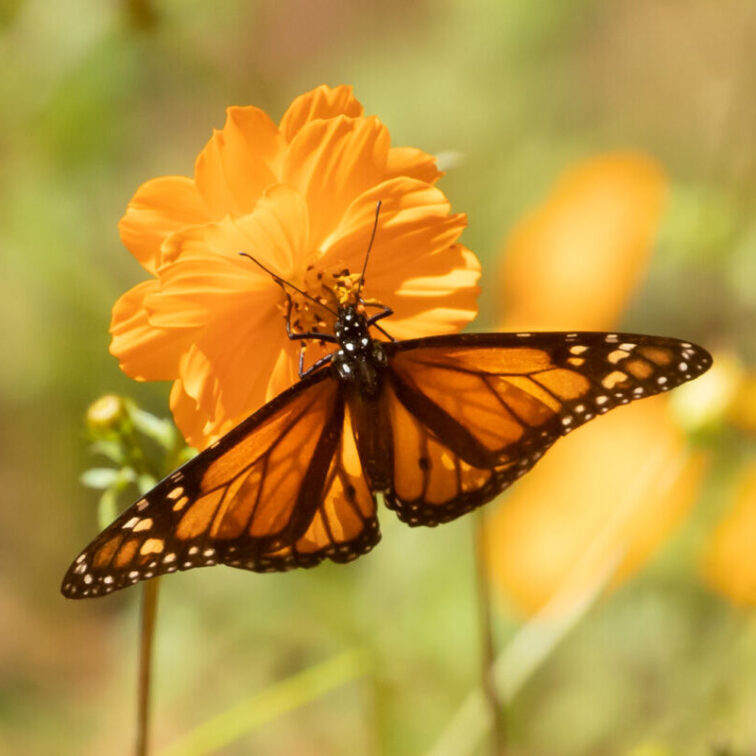
Photos contributed by 2021 Garden visitors.
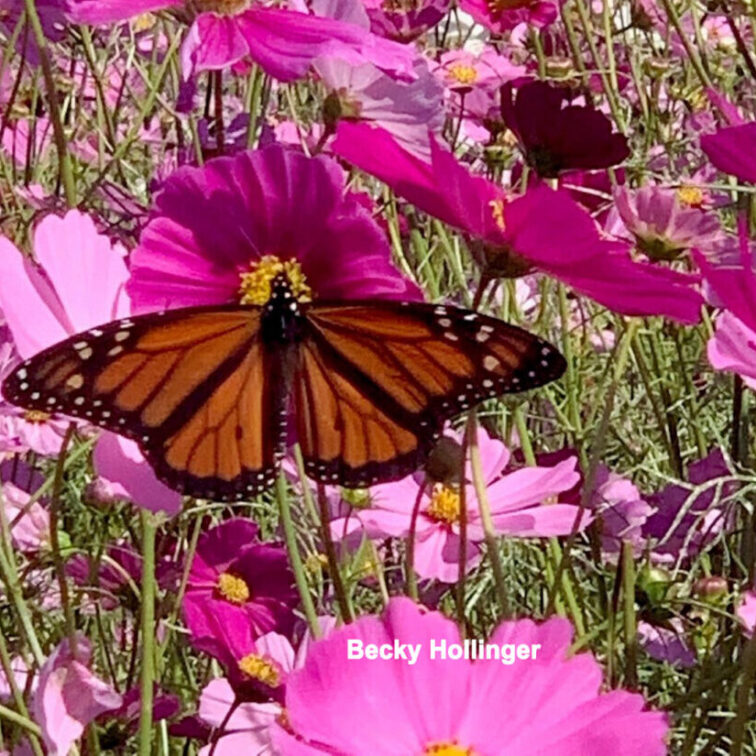
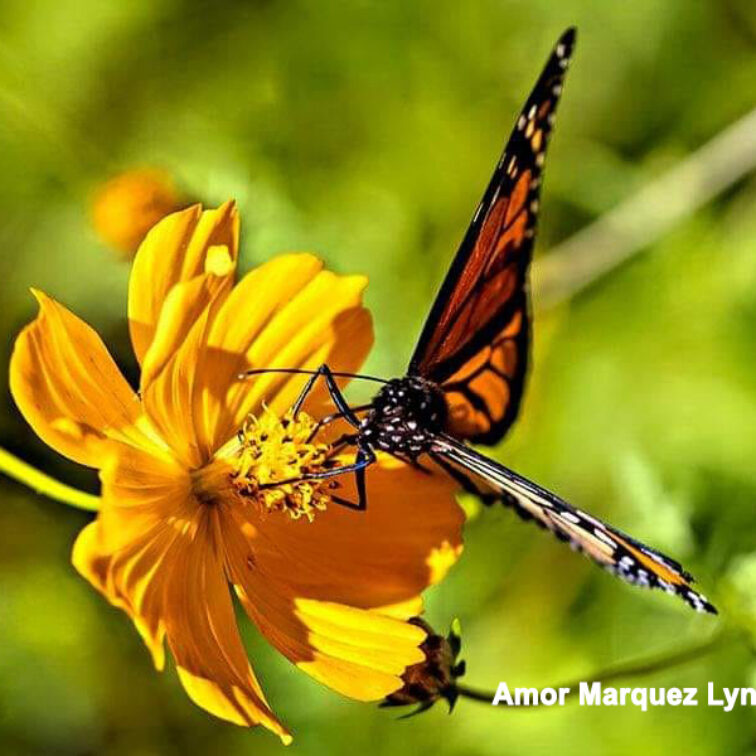
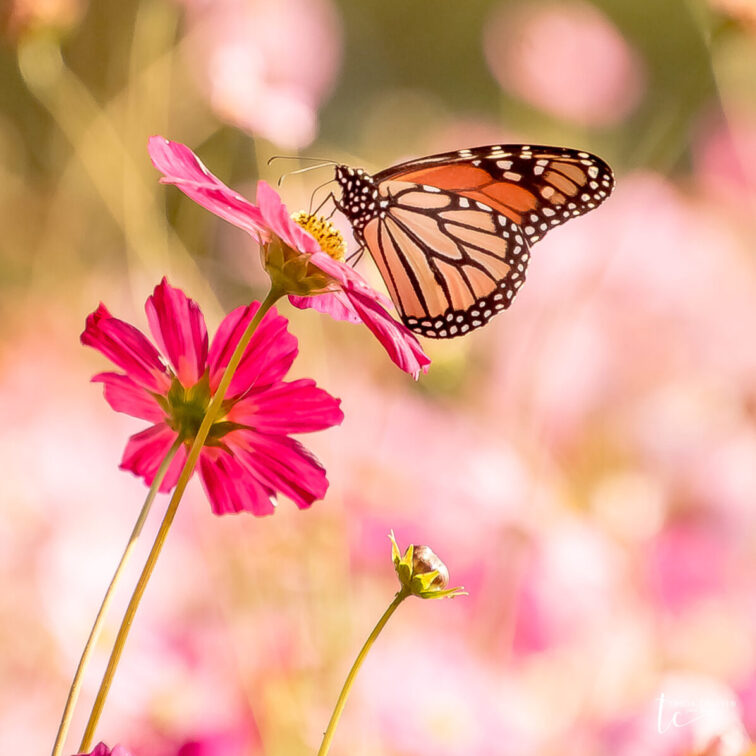
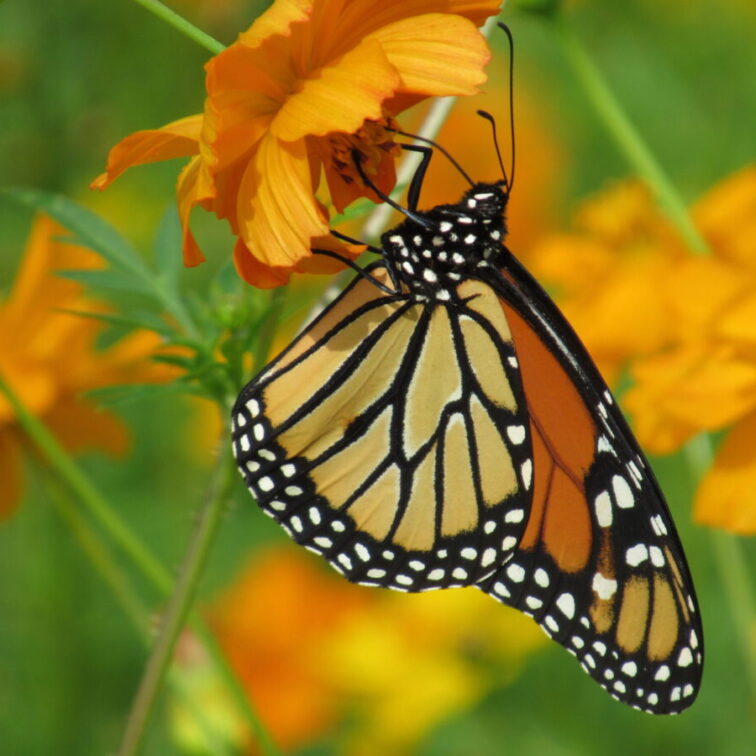
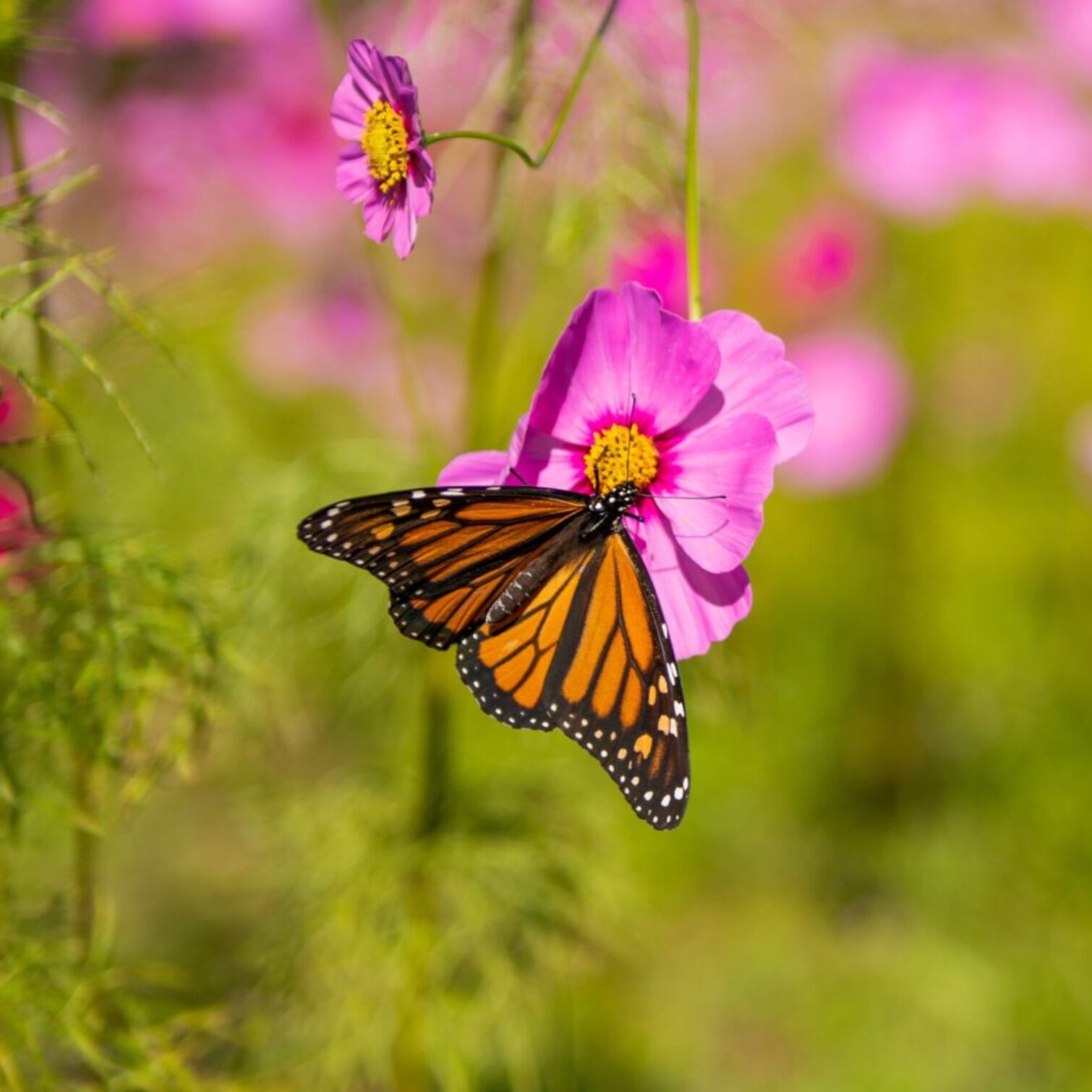
The acres of blooming flowers in bright, vivid colors create a vibrant welcome mat to greet the monarchs.
To develop this habitat, Gibbs began in June planting seeds: Cosmos sulphereus with orange and yellow blooms; Cosmos bipinnatus with blooms in shades of pink, red, and white; California Giants Mix (Zinnias) with large 4-6” multicolor blooms; and Lilliput Mix (Zinnias) with semi-dwarf multicolor blooms. Milkweed varieties are planted around the edges of the Butterfly Garden.
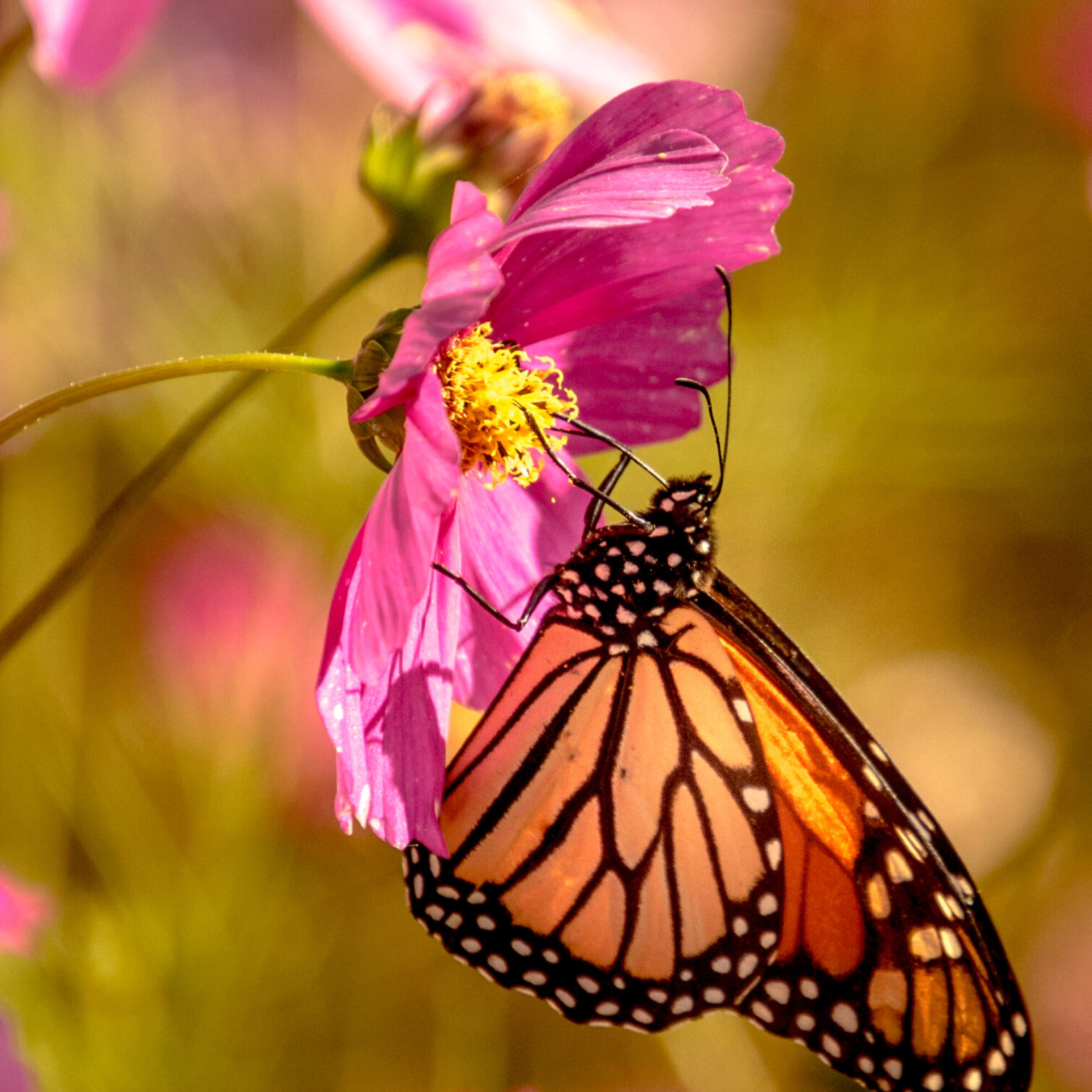
There are several large beds of Wildflower Mix in the Wildflower Meadow with Lance-leaved Coreopsis, Plains Coreopsis, Narrow-leaved Sunflower, Large-flower Tickseed, Spotted Beebalm, Black-eyed Susan, Goldenmane Tickseed, Purple Coneflower, and Bur-Marigold flowers.
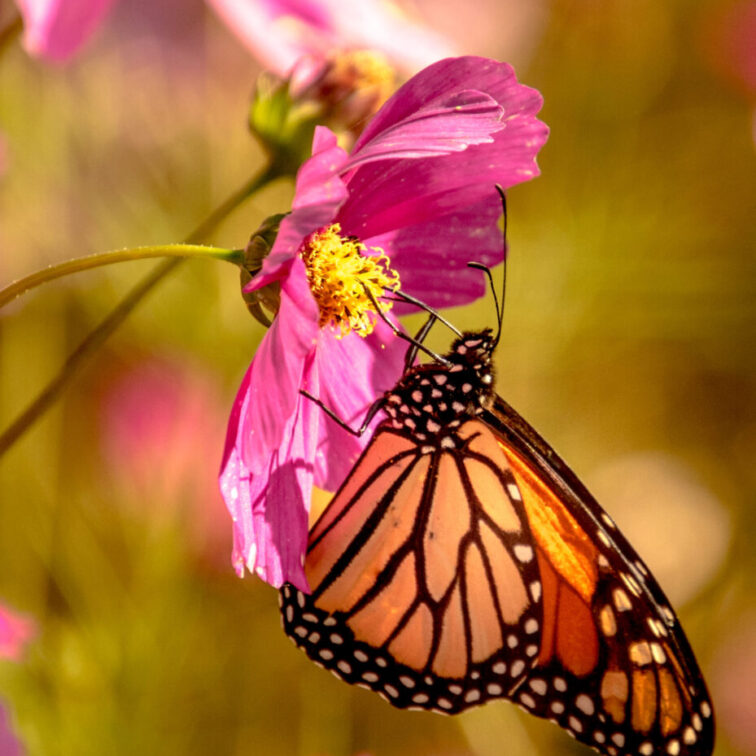
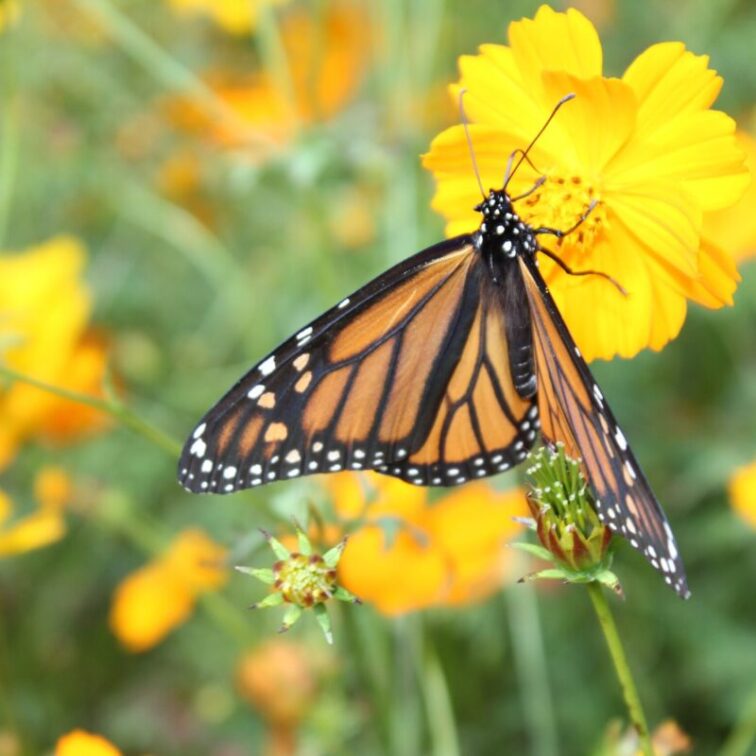
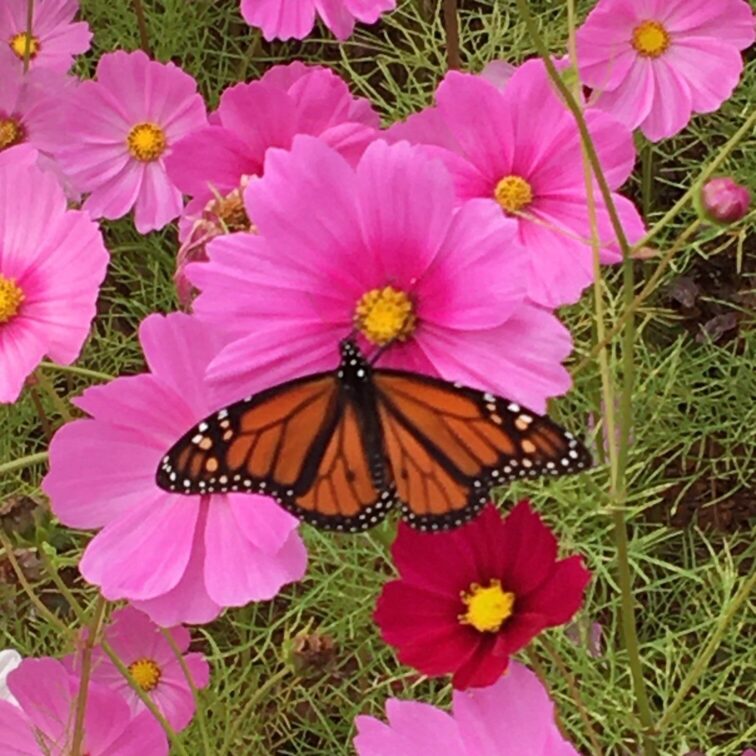
Around April of each year, the migratory monarchs will reverse the process and head north to breed. Jim Gibbs will be ready for them. In November, he will start from scratch clearing out the fall flowers and begin planting poppies, larkspur, milkweed and other monarch delicacies for their return trip in the spring.
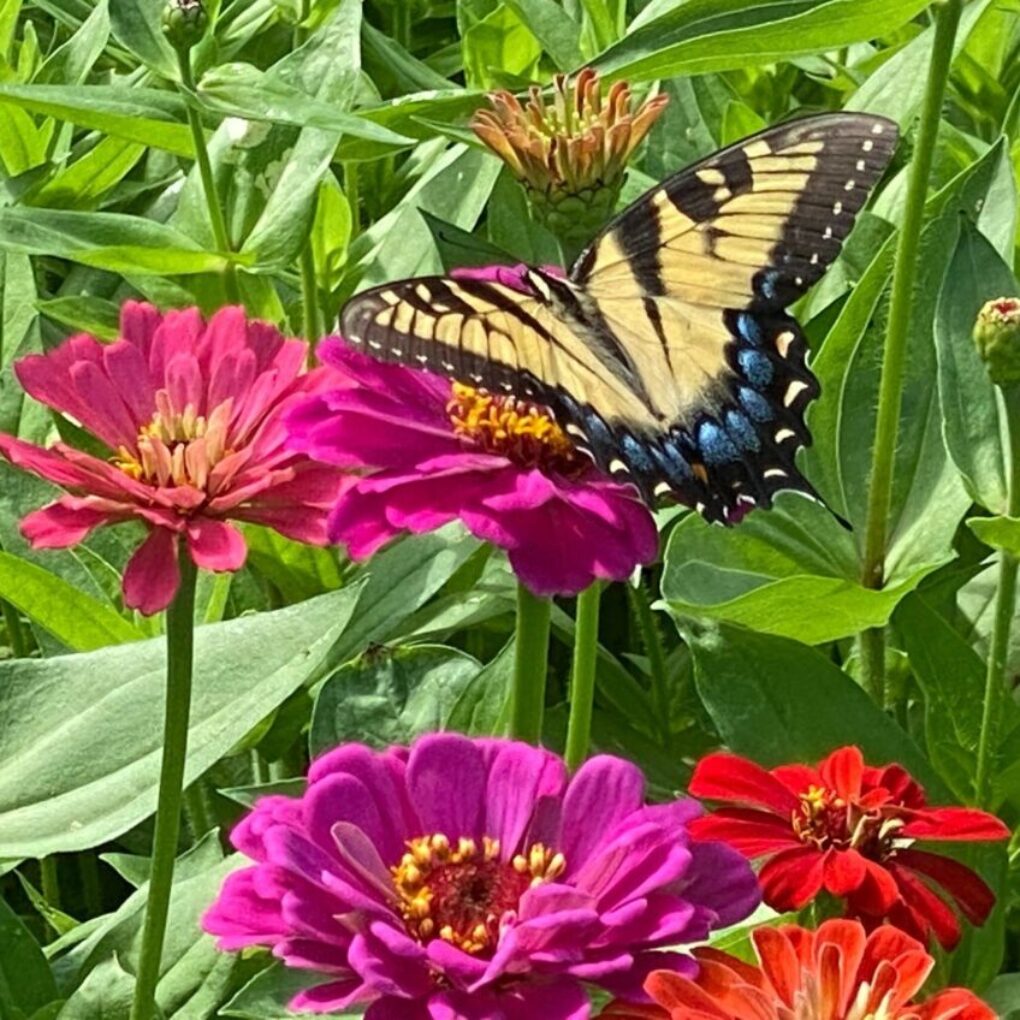
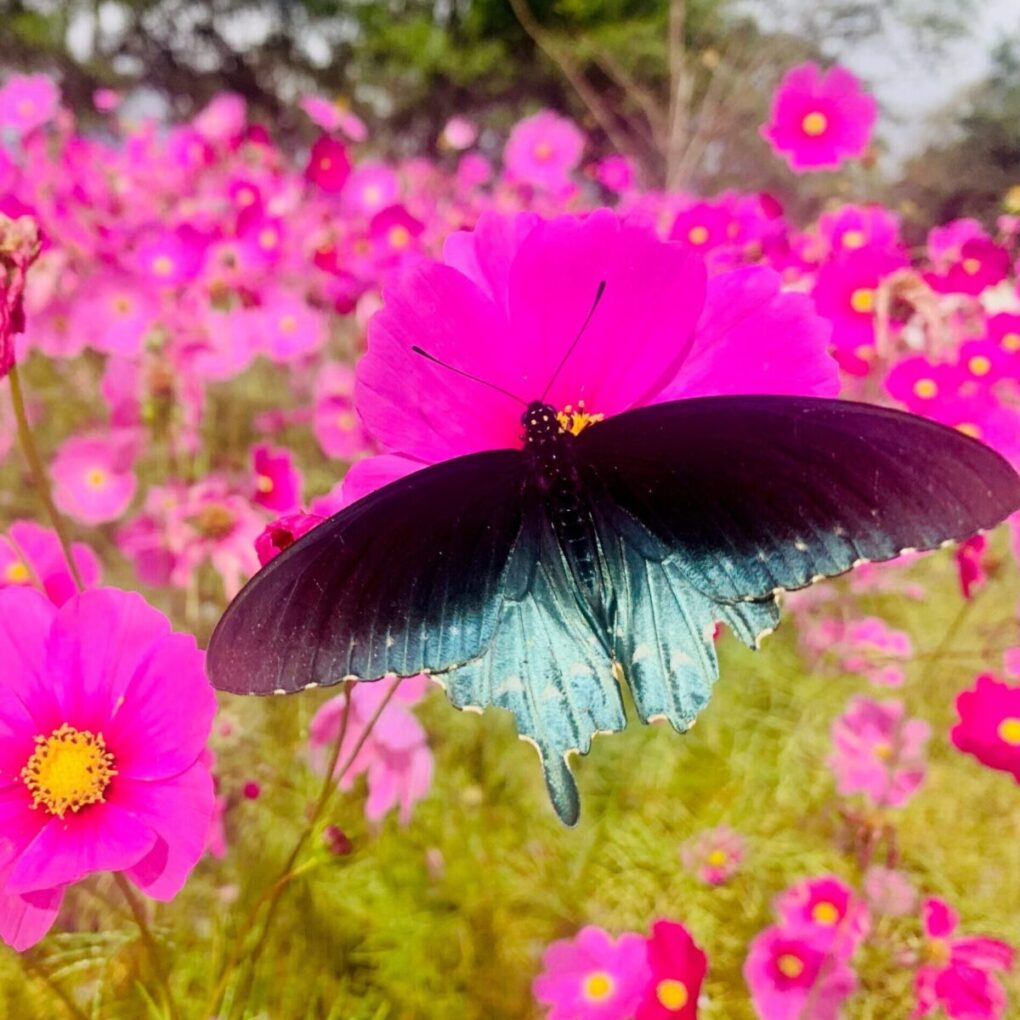
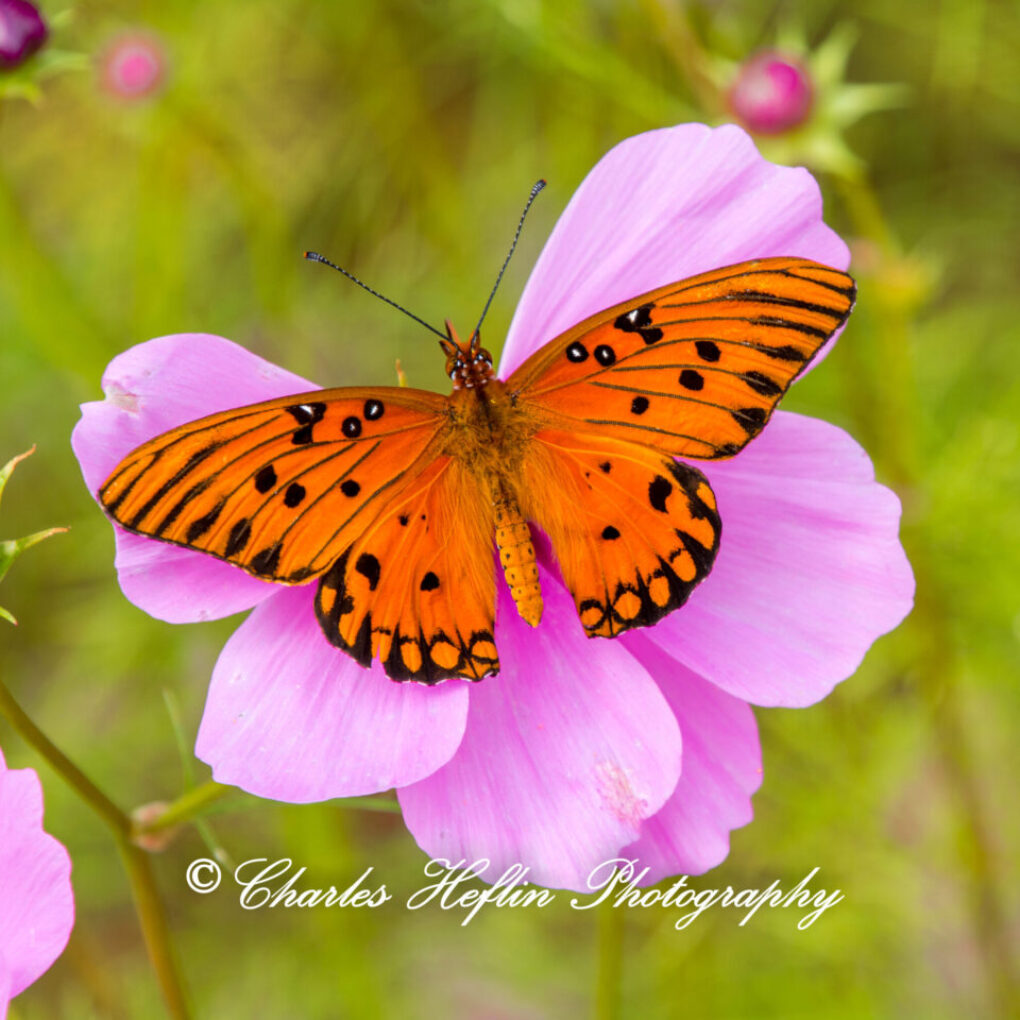
Other types of butterflies sighted.
1 — Yellow Swallowtail, 2 — Eastern Black Swallowtail, 3 — Gulf Fritillary